Preschool is an important stage in a child’s life, and many parents often ask, “What age should a child start preschool in the U.S.?” This question comes up because, as a parent, you want the best for your children.
You want your little ones to grow, learn, and get ready for school in a safe and happy place. In the United States, many families plan early because preschool gives children a strong start. It helps them learn simple things like sharing, talking to other kids, following rules, and building confidence.
Advertisement
In this article, you will learn the right preschool age in the U.S., signs your child is ready, benefits of preschool, and how to choose the best program.
Contents
What Age Should a Child Start Preschool in the U.S.?
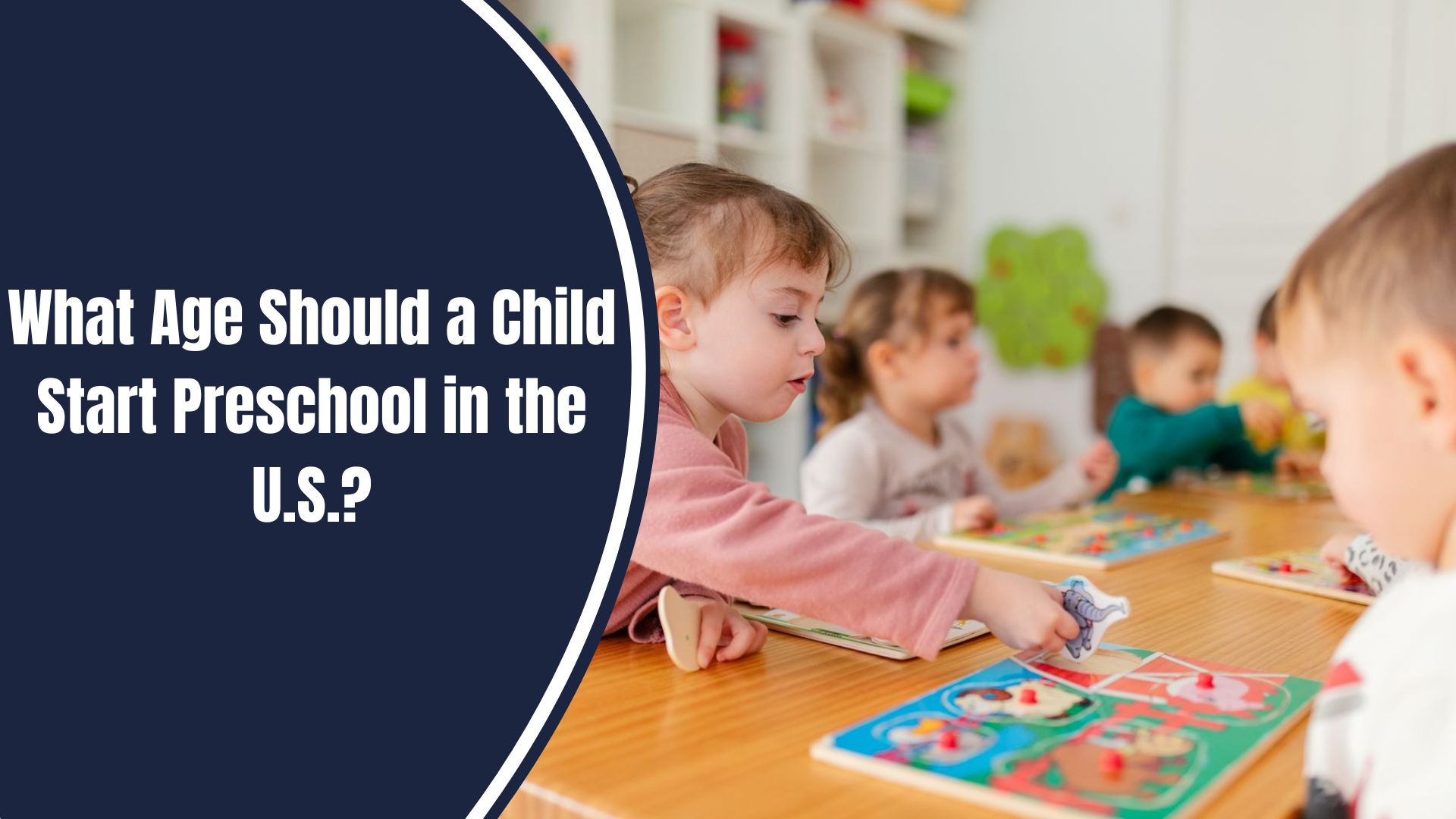
In the U.S., most children start preschool between 3 and 4 years old. This is the common age range because children at this age are developing social, emotional, and language skills. However, the best age can be different for each child. Some children start at 2 years old, while others may begin at 5 years old, depending on readiness and family needs.
Preschool in the U.S. usually accepts children within these age groups:
Age 2: Early preschool or toddler programs
Age 3: Standard preschool level
Age 4: Pre-K (Pre-Kindergarten)
Age 5: Kindergarten readiness programs
But remember, there is no fixed rule. The right age depends on your child’s development, comfort, and ability to stay in a structured environment.
Why Many Children Start Preschool at Ages 3 to 4
Most parents choose the 3–4-year-old stage because:
Children can talk better at this age.
They can understand instructions clearly.
They can play well with other children.
They are more independent.
They can stay without their parents for a few hours.
Preschools in the U.S. also design their curriculum for these ages because children can learn simple alphabet letters, numbers, colors, shapes, and early social skills easily.
Is Age 2 Too Early for Preschool?
Starting preschool at age 2 is not too early if the child is ready. Some children are confident, active, and excited to explore. Many schools in the U.S. have 2-year-old programs, often called “toddler classes.”
A 2-year-old may be ready if they:
Can walk and move around easily
Try to say a few words
Show interest in other children
Can stay calm without their parent for short times
Follow very simple directions
However, if the child cries too much, gets stressed easily, or struggles to separate from parents, it may be better to wait one more year.
Best Recommended:
Is Age 5 Too Late for Preschool?
For some children, starting preschool at age 5 is still okay. Many schools in the U.S. offer Pre-K programs for 4 and 5-year-olds. These classes prepare children for kindergarten.
Age 5 may be a good start if:
The child stayed at home earlier
The child did not attend daycare
The parents prefer readiness before kindergarten
The child needs more social or learning support
Preschool at age 5 helps children blend with other kids and get used to a classroom setting.
Signs Your Child Is Ready for Preschool
Not all children grow at the same speed. Instead of only focusing on age, it is important to look at readiness. A child may be ready for preschool in the U.S. if they show these signs:
1. They Can Communicate Basic Needs
If a child can say simple words like “water,” “toilet,” “hungry,” or “play,” it helps teachers understand them.
2. They Can Follow Simple Instructions
Preschool requires children to follow small tasks like “sit here,” “pack your toy,” or “come inside.”
3. They Show Interest in Other Children
A preschool-ready child likes playing, sharing, or watching other kids.
4. They Can Stay Without Their Parent
If a child can stay calm for a few hours with another adult, they may be ready for preschool.
5. They Show Curiosity
Children who ask questions, point at things, and try new activities enjoy preschool learning.
Benefits of Starting Preschool at the Right Age
Preschool is more than learning letters and numbers. Children grow in many areas when they start at the right age. Here are the main benefits:
1. Social Development
Children learn to share, take turns, talk to others, and play as a group.
2. Emotional Growth
They learn how to express feelings, understand others, and stay in a calm routine.
3. Early Learning Skills
Preschool teaches simple math, colors, shapes, sounds, and problem-solving.
4. Better Communication
Children talk more, learn new words, and understand instructions better.
5. School Readiness
Preschool helps children adjust before kindergarten. Kids who attend preschool usually find kindergarten easier.
6. Building Confidence
When children complete small tasks alone, they build self-confidence and independence.
Factors Parents Should Consider Before Choosing the Preschool Age
Choosing the right age for preschool depends on many things, not just a number. Parents in the U.S. often check the following factors:
1. Child’s Personality
A shy child may need a little more time, while an outgoing child may start earlier.
2. Toilet Training
Most preschools prefer children who are partly or fully potty-trained.
3. Family Schedule
If both parents work, preschool can help with childcare and early learning.
4. Health and Emotional Comfort
A child should be healthy and able to adjust to a new environment.
5. Program Type
Some programs are half-day, while others are full-day. Choose one that matches your child’s energy level.
Different Preschool Programs in the U.S.
Parents can choose from different preschool types depending on their child’s age and needs:
Montessori preschools
Traditional preschools
Play-based learning centers
Faith-based preschools
Co-op preschools
Government-supported programs like Head Start
Each program has age guidelines, so parents should ask the school for specific details.
How to Decide the Best Preschool Age for Your Child
Here are steps that can help:
1. Watch Your Child’s Behavior
Do they enjoy being active? Do they like games or meeting other children?
2. Visit Preschools
Seeing the environment helps you understand if it suits your child.
3. Talk to Teachers
Teachers can suggest the best age group for your child.
4. Try a Short Trial Day
Some preschools offer a free trial or observation day.
5. Start When Your Child Feels Safe
The best age is when your child feels confident enough to join.
So What Age Should a Child Start Preschool in the U.S.?
A child can start preschool in the U.S. between 2 and 5 years old, but the best and most common age is 3 or 4. This age helps children learn, make friends, talk better, and prepare for kindergarten.
Conclusion
Choosing the right preschool age is an important decision for every parent. There is no perfect age for every child. What matters most is your child’s comfort, readiness, and happiness. By watching your child’s behavior, talking to schools, and understanding their needs, you can choose the best time for them to start preschool in the U.S. Starting at the right age builds confidence, helps learning, and prepares them for a bright future.
You’re free to check this out:
